When most people think of the symptoms of sleep apnea, loud snoring usually comes to mind. While snoring can be a warning sign, sleep apnea often shows up in quieter, more subtle ways, many of which are easy to overlook or dismiss as “normal.” At Aligned Healing, we see firsthand how undiagnosed sleep apnea can quietly impact overall health, energy, and quality of life.
Understanding the hidden signs of sleep apnea is the first step toward better sleep, better breathing, and better long-term wellness.
What Is Sleep Apnea?
Sleep apnea is a sleep-related breathing disorder in which the airway becomes partially or fully blocked during sleep. These interruptions in breathing can happen dozens or even hundreds of times per night, briefly waking the body to reopen the airway. The most common form, obstructive sleep apnea (OSA), is closely linked to airway structure, jaw position, and breathing patterns.
Because these awakenings are often so brief, many people don’t realize their sleep is being disrupted.
Overlooked Signs of Sleep Apnea
1. Daytime Fatigue (Even After a Full Night’s Sleep)
Feeling exhausted despite spending enough hours in bed is one of the most common and most ignored signs of sleep apnea. Poor-quality sleep prevents the body from reaching deep, restorative sleep stages. This leaves you tired, foggy, and unrefreshed in the morning.
2. Morning Headaches
Frequent morning headaches may be related to oxygen deprivation during sleep. When breathing is interrupted, oxygen levels drop and carbon dioxide rises, which can trigger headaches upon waking.
3. Mouth Breathing or Waking With a Dry Mouth
If you wake up with a dry mouth or sore throat, it may be a sign that you’re breathing through your mouth at night. Chronic mouth breathing is often associated with airway obstruction and can worsen sleep apnea symptoms.
4. Teeth Grinding or Jaw Pain
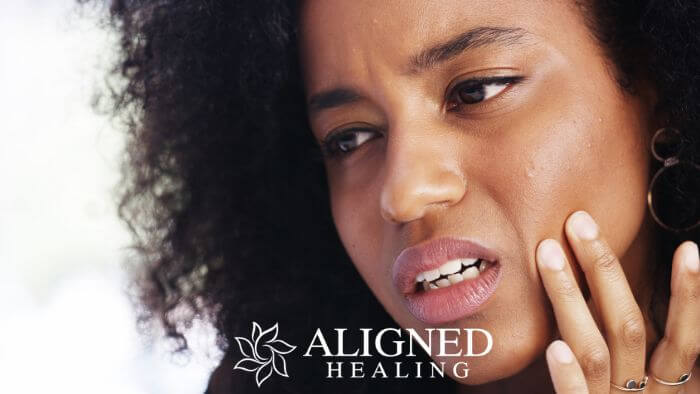
Bruxism (teeth grinding) is surprisingly common in people with sleep apnea. Grinding may be part of the body’s attempt to reopen the airway by activating the jaw muscles. Jaw soreness, cracked teeth, or worn enamel can all be clues.
5. Difficulty Concentrating or Memory Issues
Sleep apnea doesn’t just affect how rested you feel; it also impacts brain function. Interrupted sleep can lead to difficulty focusing, memory lapses, irritability, and reduced productivity during the day.
6. Mood Changes and Anxiety
Poor sleep can take a toll on emotional health. Many people with untreated sleep apnea experience increased anxiety, low mood, or heightened stress responses without realizing sleep quality is the underlying factor.
7. Frequent Nighttime Urination
Waking up multiple times at night to use the bathroom may be connected to sleep apnea. Breathing interruptions can alter hormone levels that regulate urine production, leading to nighttime awakenings.
8. Snoring That Comes and Goes
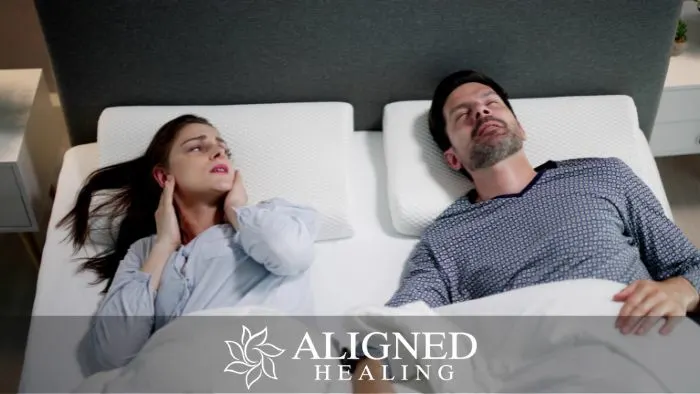
Not all snoring is constant. In sleep apnea, snoring may be interrupted by pauses, gasping, or choking sounds. These signs are often noticed by a bed partner before the person experiencing it is aware.
Why Ignoring Sleep Apnea Matters
Left untreated, sleep apnea is associated with more than just poor sleep. It has been linked to increased risk of high blood pressure, heart disease, diabetes, weight gain, chronic inflammation, and compromised immune function. Over time, the body remains in a state of stress, never fully recovering overnight.
The good news? Sleep apnea is highly treatable, especially when airway health is addressed early.
What to Do Next
1. Pay Attention to Patterns
Start by noticing how you feel during the day. Do you rely heavily on caffeine? Struggle to stay focused? Wake up with headaches or jaw pain? Keeping a simple sleep or symptom journal can reveal patterns worth addressing.
2. Make Supportive Lifestyle Changes
While lifestyle changes alone may not resolve sleep apnea, they can significantly support airway health:
- Practice nasal breathing during the day and night
- Maintain a healthy sleep position (side sleeping is often helpful)
- Reduce alcohol consumption, especially before bed
- Establish consistent sleep and wake times
- Support overall inflammation reduction through nutrition and hydration
3. Address Oral and Airway Habits
Chronic mouth breathing, tongue posture issues, and jaw misalignment can all contribute to airway restriction. An airway-focused dental evaluation can assess how oral structures are influencing breathing during sleep.
4. Seek a Professional Airway Assessment
At Aligned Healing, airway dentistry looks beyond teeth to evaluate the entire breathing pathway, including jaw position, tongue space, bite alignment, and facial development. In some cases, we collaborate with sleep physicians for sleep studies to confirm a diagnosis.
5. Explore Non-CPAP Treatment Options
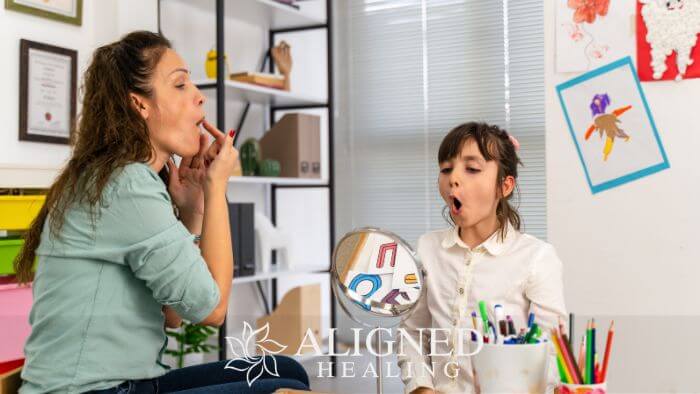
While CPAP therapy is effective for many, it’s not the only option. Oral appliance therapy, myofunctional therapy, and airway-focused dental treatments can help reposition the jaw and support an open airway during sleep. For some, these solutions are more comfortable and sustainable.
Breathe Better, Sleep Deeper, Live Fully
Sleep apnea doesn’t always announce itself loudly. Its quieter signs can slowly erode energy, focus, and health over time. By paying attention to subtle symptoms and addressing airway health, you can take meaningful steps toward better sleep and overall wellness.
If you suspect sleep apnea may be affecting you or a loved one, our team at Aligned Healing is here to help. We welcome you to contact us today to learn more and to schedule an appointment.